
2026
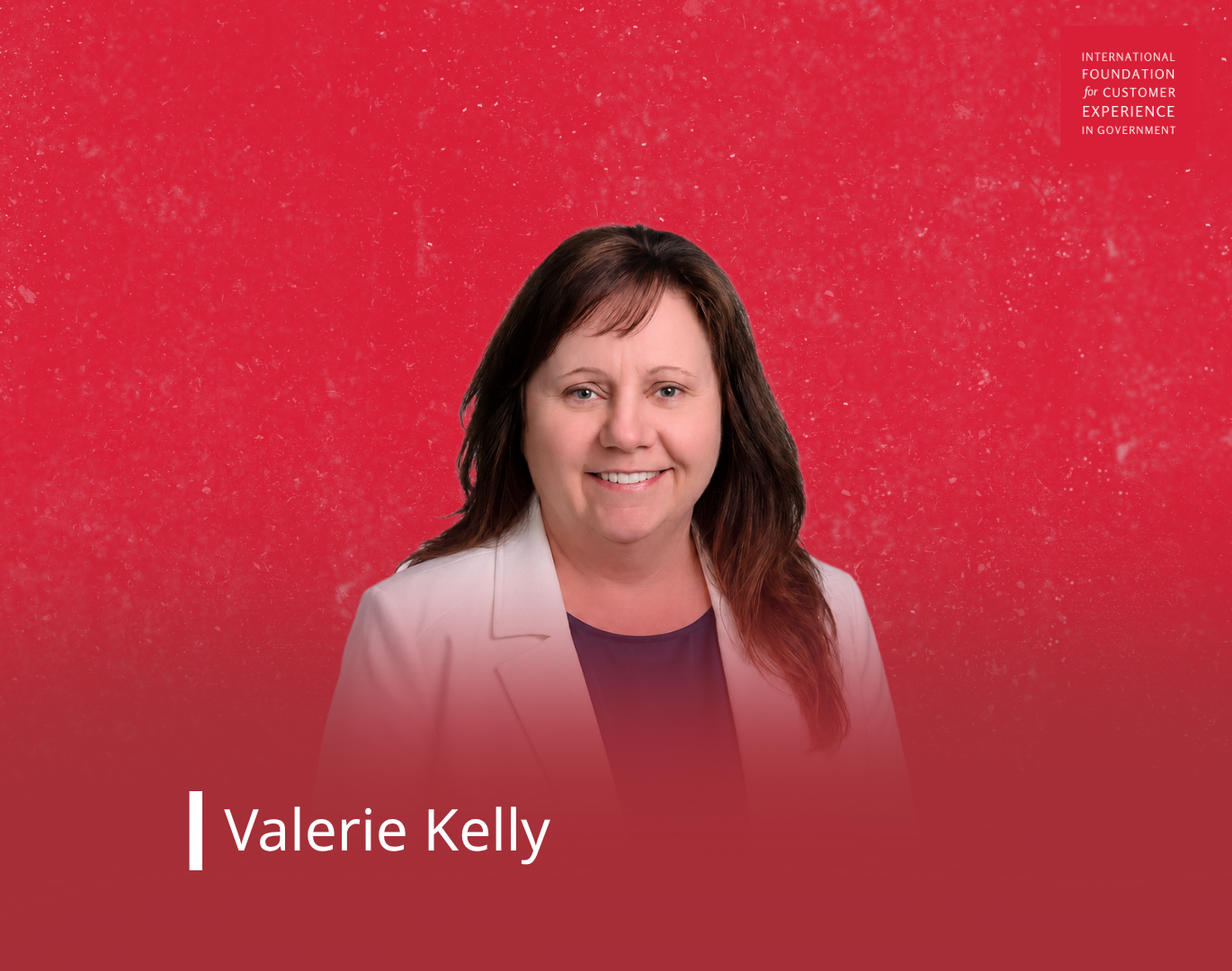
Valerie Kelly, Director of Digital Transformation in the Department of Social Development, Government of New Brunswick, Canada, shares how she is leading efforts to rebuild trust and improve outcomes across public services.Through this profile, she reflects on what sparked her commitment to customer experience, the organizational barriers that persist, and her vision for a government that works better for everyone.
How It All Started
Valerie’s motivation for transforming customer experience in government began with a simple focus: people.
Early in her role, she made a deliberate choice to observe and listen, spending time with frontline staff and with citizens seeking support. What she witnessed shaped her view of the system.
“I saw just how committed they were to helping others, and I also saw the strain they were under. The processes were complicated, the systems didn’t talk to each other, and the demand for support from citizens was growing.”
She also listened closely to citizens navigating that same system, many of whom were already in vulnerable situations.
“Many told us they felt overwhelmed, frustrated, and often alone in navigating the system to get the help they need.”
It became clear that the experience wasn’t working both those who deliver services and those who rely on them.
“I began with a simple goal: to make it easier for people to get the help they need, and to give our staff the tools and support to do what they do best with dignity, speed, and compassion.”
What started as a series of small improvements evolved into a broader transformation, one grounded in trust, empathy, and simplicity.
“When you focus on people (those delivering services and those relying on them) you begin to shift the entire experience. Trust is rebuilt, barriers come down, and the system starts to feel more compassionate, more responsive, more human. That’s the kind of public service I’m fortunate to shape and proud to be a part of.”
What Gets in the Way?
Valerie identifies three core challenges to advancing CX in government: system complexity, organizational mindset, and capacity constraints.
“Many services were built in silos over time, each with their own processes and technologies. This makes it difficult for citizens, especially those in vulnerable situations, to access the help they need, and equally challenging for staff to deliver it efficiently.”
Shifting the compliance-driven mindset to one that embraces human-centered design and continuous improvement takes time and strong leadership.
“Government has traditionally prioritized compliance and risk management, which are important, but often at the expense of flexibility and user experience.”
Frontline staff are also under pressure. Many are managing complex caseloads while adapting to new expectations, and tools.
“To improve CX, we must first improve the staff experience by modernizing systems, streamlining processes, and supporting change with empathy and clarity.”
For Valerie, the solution is cultural as much as operational. It means designing around people and building CX capabilities at every level.
“Addressing these challenges means designing services around people, not programs; building CX capability across the organization; engaging citizens directly in co-design; and leading with purpose and humility, GovCX is not just about better services, it’s about creating a public service that is more compassionate, responsive, and trusted.”
A Vision for the Future of CX
Valerie sees the next decade of public service transformation defined by proactive, coordinated, and deeply human service delivery.
“Customer experience in the public sector will become more tailored, seamless, and forward-looking.”
Technology will help enable this transformation, but only when used in service of a larger vision.
“Advances in technology will enable better data sharing, real-time analytics, and integrated services that anticipate citizens’ needs instead of simply responding to them.”
Departments will move beyond silos, making it easier for people to get the help they need without repeating their stories or navigating disjointed systems.
“We will move toward coordinated service delivery, where different departments collaborate to offer comprehensive support.”
At the same time, Valerie emphasizes the continued importance of human connection.
“While digital access will expand, it will remain critical that citizens access services in ways that suit them best. The human touch will remain essential and public servants will be equipped with improved tools and training to emphasize empathy, build trust, and foster meaningful connections.”
Ultimately, she sees CX becoming part of public sector culture, not a standalone function.
“Customer experience will be a part of our public service culture ongoing learning, innovation, and authentic engagement with citizens will drive continuous improvement and help the public sector be deeply connected to the people it serves.”
Advice for the Next Generation of CX Leaders
Valerie’s advice for new and emerging professionals in GovCX is clear, practical, and rooted in lived experience:
-
- “Keep the people you serve at the center of everything you do. We are here to make a meaningful difference in people’s lives.”
- “Be open to learning, whether it’s from frontline staff, citizens, partners in the community or colleagues across departments.”
- “Don’t be afraid to challenge the status quo… Be bold in proposing new approaches but also patient systemic change takes time.”
- “Invest in building skills in human-centered design. The human connection remains essential in delivering truly impactful public service.”
- “Find mentors and allies who can support your growth and help you navigate the complexities of government.”
Her closing message is one of resilience and community.
“GovCX is a journey. Stay passionate, resilient, and committed to creating a public sector that is more responsive, compassionate, and trusted.”